
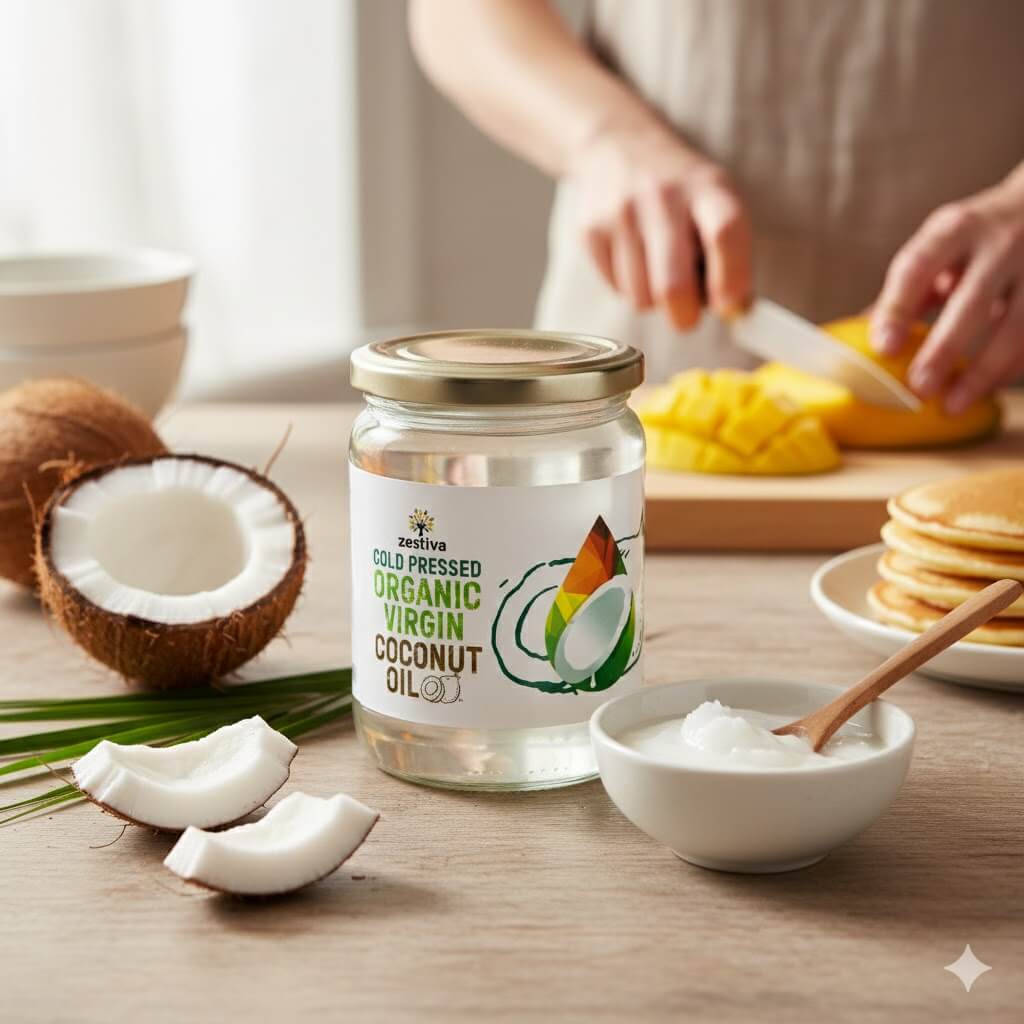
CategoriesWellness

Extra Virgin vs. Virgin Coconut Oil: Is There Actually a Difference?

Extra Virgin vs. Virgin Coconut Oil: Is There Actually a Difference?

By Zestiva Organic | January 2026

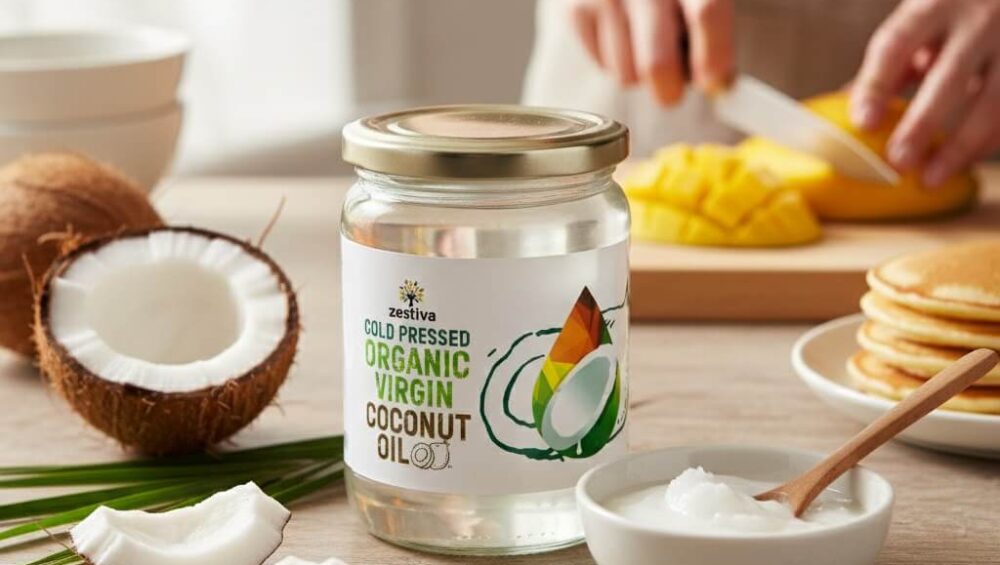
If you’ve ever stood in the oil aisle feeling confused by labels like “Extra Virgin,” “Cold-Pressed,” and “Centrifuged,” you aren’t alone. In the world of olive oil, “Extra Virgin” is a strict legal grade. But in the world of coconut oil, the rules are a bit different.

Today, we’re stripping away the marketing hype to explain what you’re actually buying and why the extraction method matters more than the “Extra” on the label.

The Big Secret: Extra Virgin vs. Virgin

Here is the industry truth: There is no official legal difference between “Virgin” and “Extra Virgin” coconut oil. Unlike olive oil, which has a governing council to grade acidity and taste, the term “Extra” in coconut oil is mostly used for marketing. Both terms generally mean the oil is unrefined, made from fresh coconuts (not dried copra), and processed without chemicals or bleach.

If you see “Extra Virgin,” it usually just means the brand is promising their highest quality—but the real quality is found in how the oil was pulled from the coconut.

The Showdown: Centrifuged vs. Cold-Pressed

This is where the real health benefits are decided. Even among virgin oils, the method of extraction changes the nutrient profile.

1. Cold-Pressed Coconut Oil (The Standard)

Cold-pressing involves using a mechanical press to squeeze the oil out of dried coconut flakes or fresh meat.

      • The Process: While called “cold,” the friction of the press can still generate some heat (up to 49°C or 120°F).

      • The Result: A great, healthy oil with a traditional coconut scent and flavor. It’s perfect for cooking and baking.

    2. Centrifuge Extracted Coconut Oil (The Premium Choice)

    Centrifuged oil is widely considered the purest form of coconut oil available in 2026.

        • The Process: Fresh coconut milk is placed in a high-speed machine that spins at thousands of rotations per minute. This force separates the oil from the water and proteins instantly, without any heat at all.

        • The Result: Because it’s never heated, it retains up to 4x more antioxidants and more Lauric Acid than cold-pressed oils. It has a much lighter, milder taste and a silkier texture.

      Comparison at a Glance

      FeatureCold-Pressed VirginCentrifuged Virgin
      Heat ExposureMinimal (Friction heat)Zero Heat
      Nutrient LevelHighHighest (Raw)
      FlavorStrong CoconutMild & Delicate
      TextureStandardUltra-Smooth/Light
      Best ForCooking & BakingRaw consumption, Smoothies, Skincare

      Which One Should You Choose?

          • For the Kitchen: If you love that rich coconut aroma in your stir-fries or cookies, Cold-Pressed Virgin Coconut Oil is a fantastic, cost-effective choice.

          • For Maximum Healing: If you are using oil for oil pulling, adding to morning coffee/smoothies, or as a luxury skin moisturizer, Centrifuged Coconut Oil is the winner. Its “raw” status means the enzymes and medium-chain triglycerides (MCTs) are completely intact.

        Why Zestiva Organic?

        At Zestiva, we don’t just put “Extra” on the label for show. Whether you choose our traditional Cold-Pressed or our Raw Centrifuged oil, you are getting organic, non-GMO, and ethically sourced products that prioritize your cellular health.

        [Shop our Raw Centrifuged Coconut Oil – The Purest Choice]

        [Shop our Cold-Pressed Virgin Coconut Oil – The Kitchen Essential]
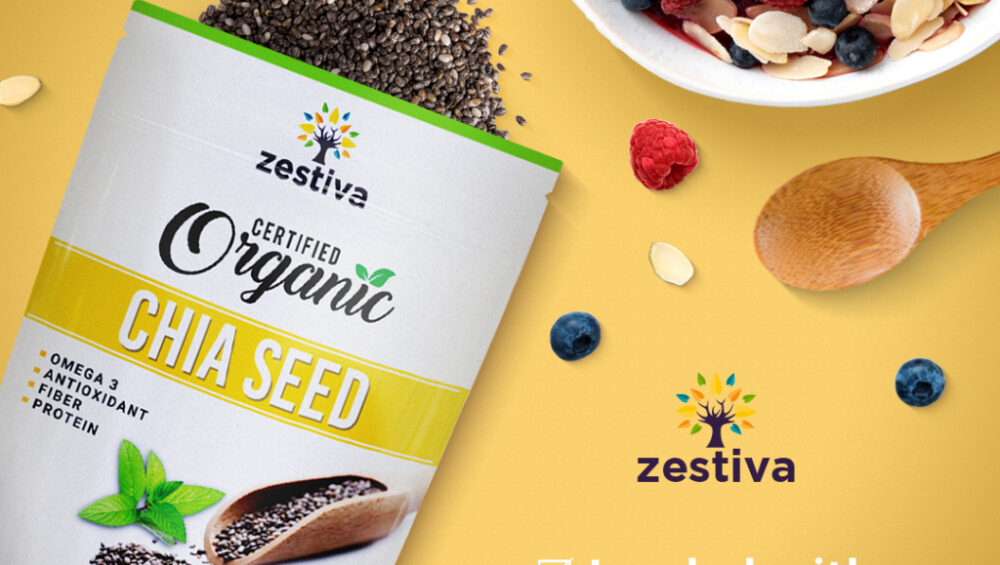
        CategoriesWellness

        White Chia vs. Black Chia: Which Tiny Seed Reigns Supreme for Your Health?

        White Chia vs. Black Chia: Which Tiny Seed Reigns Supreme for Your Health?

        By Zestiva Organic | January 2026

        If you’re already a fan of chia seeds, you know these tiny powerhouses pack a mighty punch of nutrition. But as you browse the health food aisle, you might pause: white chia vs. black chia? Is there a difference, or is it just a matter of color?

        At Zestiva Organic, we get this question a lot! While both white and black chia seeds offer incredible health benefits, there are subtle differences in their nutrient profiles and, more importantly, how you might choose to use them. Let’s dive deep into the world of Salvia hispanica and discover which chia seed is right for you in 2026.

        The Origin Story: Are They Different Plants?

        First things first: no, white chia seeds and black chia seeds do NOT come from different plants. Both are derived from the same Salvia hispanica plant. The color difference is simply due to genetic variation within the species, much like different colored grapes come from the same vine.

        The key takeaway? Both are legitimate, high-quality chia seeds.

        Nutritional Showdown: White Chia vs. Black Chia

        Here’s where it gets interesting. While their overall nutritional composition is very similar, a closer look reveals some minor distinctions.

        Nutrient (per 1 oz / 28g)Black Chia Seeds (Approx.)White Chia Seeds (Approx.)
        Calories138138
        Fiber10g10g
        Protein4.7g4.7g
        Omega-3 ALA~5g~5g
        Calcium18% DV19% DV
        Phosphorus27% DV27% DV
        Magnesium23% DV23% DV
        Iron12% DV13% DV
        AntioxidantsHigher (due to darker pigment)Slightly Lower

        The Verdict: As you can see, the differences are minimal. White chia seeds might have a slightly higher calcium content, while black chia seeds edge them out slightly in antioxidants due to their darker pigment. However, these differences are not significant enough to declare one vastly superior to the other nutritionally.

        Beyond Nutrition: Practical Differences & Uses

        Since nutrition isn’t the primary differentiator, what is? Mostly, it comes down to aesthetics and personal preference.

        Black Chia Seeds: The Traditional Choice

            • Appearance: Dark, small, and often more visible in dishes.

            • Taste: Virtually tasteless, allowing them to blend seamlessly into any recipe.

            • Texture: Creates the signature “gel” when soaked.

            • Best For:
                  • Chia puddings and overnight oats: The darker seeds create a beautiful contrast.

                  • Smoothies: Their color disappears in darker smoothies.

                  • As an egg replacer: Great for baking dark-colored goods.

                  • General daily consumption: The most common and widely available type.

            White Chia Seeds: The “Invisible” Superfood

                • Appearance: Light, creamy white seeds that blend in more discreetly.

                • Taste: Also virtually tasteless.

                • Texture: Forms the same gel as black chia seeds.

                • Best For:
                      • Light-colored smoothies & juices: No dark specks!

                      • Yogurt parfaits: Maintains a clean aesthetic.

                      • Baking (especially light-colored goods): Muffin batters, bread, or cakes where you don’t want visible dark spots.

                      • Salad dressings: Thicken without changing the dressing’s appearance.

                      • As an egg replacer: Ideal for light-colored baked goods.

                Key Health Benefits of Both White and Black Chia Seeds

                Regardless of color, both white and black chia seeds are nutritional powerhouses for 2026 and beyond. Here’s what you can expect from incorporating them into your diet:

                    1. Rich in Omega-3 Fatty Acids (ALA): Essential for brain health, reducing inflammation, and supporting heart health.

                    1. Excellent Source of Fiber: Promotes digestive regularity, helps stabilize blood sugar, and supports satiety for weight management.

                    1. Packed with Protein: A great plant-based protein source, particularly beneficial for vegans and vegetarians.

                    1. Bone Health Minerals: High in calcium, magnesium, and phosphorus, crucial for strong bones.

                    1. Antioxidant Power: Helps combat free radicals and protect your cells from damage.

                  How to Choose the Right Chia Seed for You

                  The truth? You can’t go wrong with either! The choice between white chia and black chia largely comes down to what you’re making and your aesthetic preference.

                      • If you’re making a dark berry smoothie or a chocolate chia pudding, black chia seeds are perfect.

                      • If you’re whipping up a vanilla yogurt parfait or adding to a light-colored bread, white chia seeds will blend in beautifully.

                    At Zestiva Organic, we believe in providing you with the highest quality, organic chia seeds, regardless of color. We ensure both our white and black chia seeds are sustainably sourced and packed with all the incredible nutrients you expect.

                    Ready to boost your nutrition with these tiny wonders?

                    [Shop Zestiva Organic Black Chia Seeds Here!]

                    CategoriesWellness

                    The Ultimate Guide to Psyllium Husk: Benefits, Weight Loss, and Gut Health

                    Are you struggling with digestive discomfort, or looking for a natural way to support your weight loss goals? Meet Psyllium Husk—the plant-based “super-fiber” that is taking the wellness world by storm in 2026.

                    Often referred to as a “natural gut reset,” psyllium husk is much more than just a simple fiber supplement. In this guide, we’ll explore the science-backed benefits of psyllium husk and how you can use it to transform your health.


                    What is Psyllium Husk?

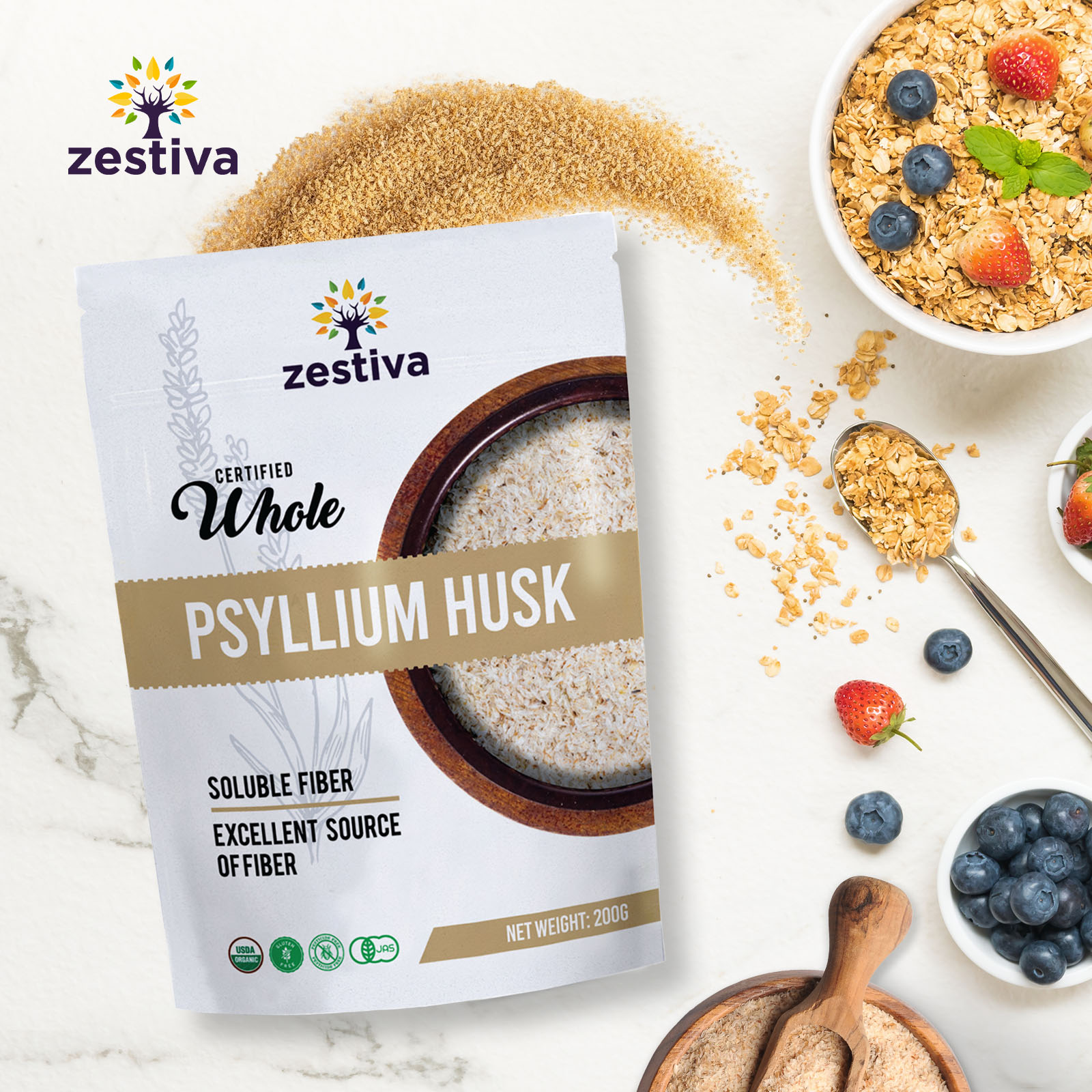
                    Psyllium husk is a form of soluble fiber derived from the seeds of the Plantago ovata plant, native to India. When mixed with water, it transforms into a thick, gel-like substance. This unique “mucilage” is what makes it so effective at sweeping toxins out of your digestive tract and keeping you regular.

                    Why It’s Better Than Other Fibers

                    Unlike insoluble fibers (like wheat bran) which can be harsh on sensitive stomachs, psyllium is a bulk-forming laxative. This means it absorbs water to make stools softer and easier to pass, providing relief for both constipation and mild diarrhea.


                    5 Science-Backed Benefits of Psyllium Husk

                    1. Digestive Health & Regularity

                    Psyllium is the gold standard for gut health. By soaking up water in your gut, it adds bulk to your stool and stimulates the natural contractions of your intestines.

                    • Best for: IBS relief, chronic constipation, and hemorrhoid prevention.

                    2. Natural Weight Management

                    Many people call psyllium husk “nature’s Ozempic” because of its ability to promote satiety (the feeling of fullness). Because the fiber expands in your stomach and slows down digestion, you feel full for longer, which naturally reduces calorie intake.

                    3. Lowers “Bad” Cholesterol (LDL)

                    The FDA has recognized that soluble fiber from psyllium husk can reduce the risk of heart disease. It acts like a sponge, trapping bile acids and cholesterol in the digestive system so they can be excreted rather than absorbed into the bloodstream.

                    4. Blood Sugar Regulation

                    For those managing Type 2 diabetes or insulin resistance, psyllium is a game-changer. Taking it with meals slows down the absorption of sugar, preventing the “glucose spikes” that lead to energy crashes and fat storage.

                    5. Prebiotic Power

                    Psyllium acts as a prebiotic, feeding the “good” bacteria (probiotics) in your microbiome. A healthy gut microbiome is linked to a stronger immune system and even improved mental clarity.


                    How to Take Psyllium Husk: The Right Way

                    If you want to see results without the bloating, follow these three rules:

                    1. Start Small: Begin with 1/2 teaspoon daily and gradually work your way up to 1-2 tablespoons.
                    2. Hydrate, Hydrate, Hydrate: Psyllium needs water to work. Drink at least 8oz (250ml) of water with your dose and stay hydrated throughout the day.
                    3. Timing Matters:
                      • For Weight Loss: Take it 30 minutes before a meal.
                      • For Digestion: Take it first thing in the morning or right before bed.

                    Pro Tip: Psyllium thickens quickly! Stir it into water, juice, or a smoothie and drink it immediately before it turns into a thick gel.


                    Frequently Asked Questions (FAQs)

                    Is Psyllium Husk Gluten-Free? Yes! Psyllium is naturally gluten-free and is a popular ingredient in keto and gluten-free baking to provide a “bready” texture.

                    Can I take it every day? For most people, a daily dose of 5-10g is perfectly safe and highly beneficial for long-term heart and gut health.

                    Does it have side effects? If you don’t drink enough water, it can cause cramping or gas. Always ensure you are drinking plenty of fluids.


                    Ready to Reset Your Gut?

                    Psyllium husk is one of the most affordable and effective supplements you can add to your routine. Whether you’re looking to shed a few pounds or finally fix your digestion, this ancient fiber is the modern solution you’ve been looking for.

                    Shop our Premium Organic Psyllium Husk Powder here!]