CategoriesWellness

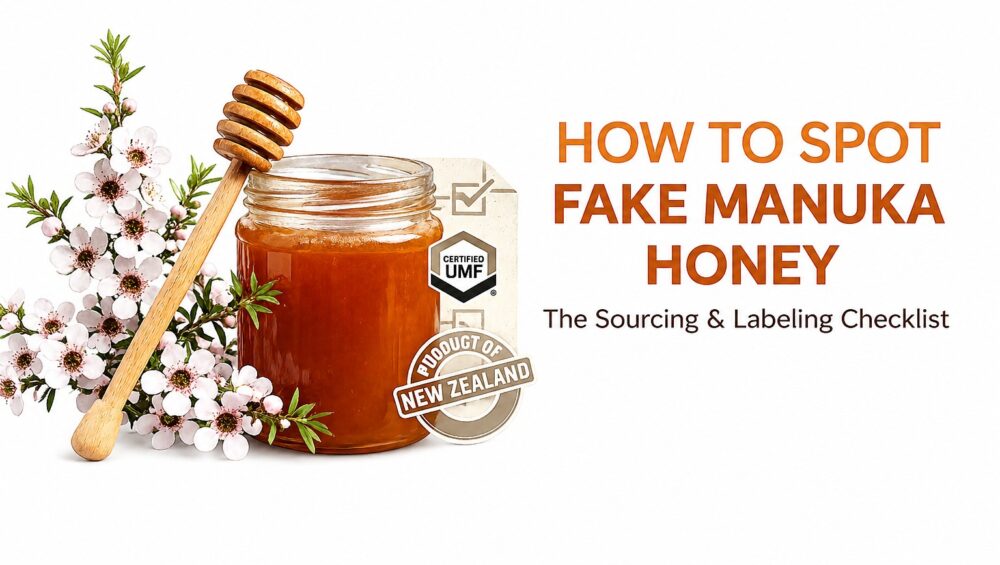
How to Spot Fake Manuka Honey: A Sourcing and Labeling Checklist

How to Spot Fake Manuka Honey: A Sourcing and Labeling Checklist

Due to its global reputation as a premier functional wellness food, Manuka honey is highly vulnerable to mislabeling and imitation in the global marketplace. Millions of jars sold globally as “active” or “bio-active” do not possess the genuine chemical properties of authentic New Zealand Manuka bush nectar. Protecting your health and your wallet requires knowing how to read verification tags correctly.

What makes genuine Manuka honey different from standard table honey?

Genuine Manuka honey contains high levels of Methylglyoxal (MGO), a naturally occurring compound derived from the dihydroxyacetone (DHA) found in the nectar of New Zealand’s native Leptospermum scoparium flower. This compound provides potent, stable antibacterial properties that are entirely absent in standard pasteurized honey.

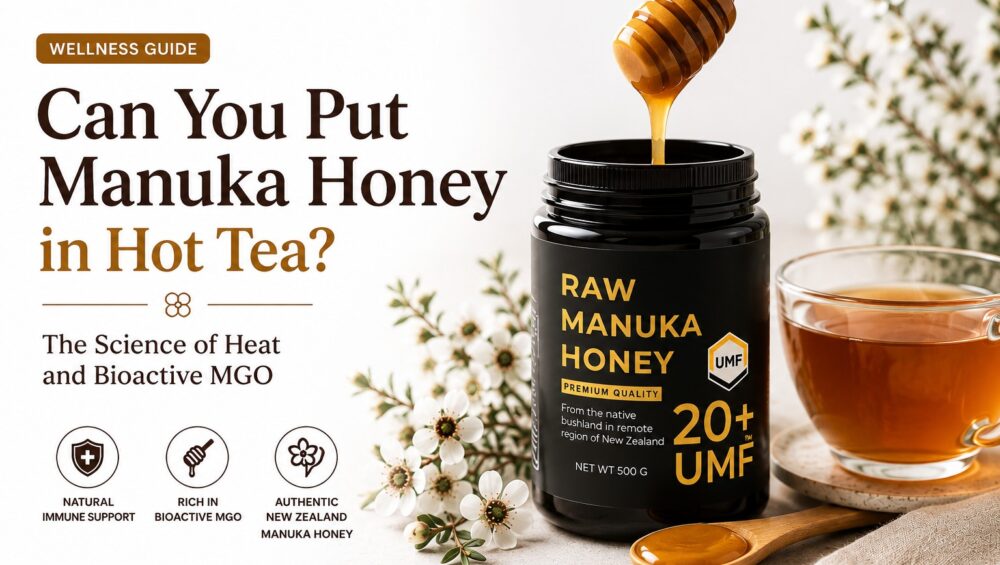
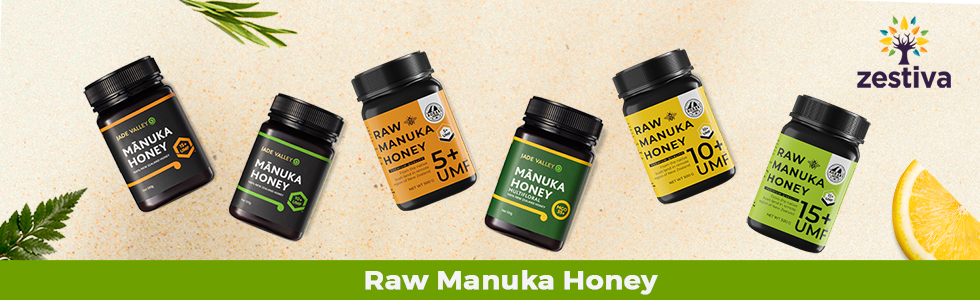
While ordinary honey loses its enzymatic properties when exposed to heat or light, authentic options like Zestiva’s Aoraki Peak Raw Manuka Honey maintain their therapeutic bioactivity thanks to a highly resilient, certified MGO baseline.

[ Authentic Sourcing Checklist ]
1. Check for a certified UMF® rating printed clearly on the jar face.
2. Confirm the label explicitly states "Product of New Zealand".
3. Verify the manufacturer holds a valid New Zealand UMF License Number (e.g., License No: 3006).
4. Sourced from trusted local clean-food purveyors like Zestiva Organic.
5. Avoid misleading marketing terms like "Active 20+", "Bio-Active", or "Factor".

The 4 critical authenticity markers on a Manuka honey label

To ensure your honey provides real therapeutic value, verify these specific indicators before buying:

  1. The UMF® Trademark: The Unique Manuka Factor (UMF) is the absolute gold standard for quality control. It is an independent quality mark administered by the UMFHA (Unique Manuka Factor Honey Association) in New Zealand.
  2. The MGO Metric: Look for direct Methylglyoxal measurement values (e.g., MGO 263+ or MGO 514+). This directly measures the concentration of the active antibacterial element.
  3. Leptosperin Content: This unique chemical compound is found exclusively in the nectar of the Manuka flower. If a batch lacks Leptosperin, it cannot legally be classified as monofloral Manuka honey.
  4. Batch Traceability: Trusted brands provide direct batch testing credentials. For instance, authentic options like Aoraki Peak Raw Manuka Honey are independently tested, UMF-certified (UMF License No: 3006), and fully traceable back to the specific remote regions near New Zealand’s Southern Alps.

Why commercial terms like “Active” or “Bio-active” are red flags

Many low-grade honeys use vague terminology like “Active 20+”. These numbers often refer to hydrogen peroxide activity, which breaks down rapidly when exposed to light, heat, or stomach acids.

A true therapeutic honey—such as the Aoraki Peak range curated by Zestiva Organic—will always list a clear, certified UMF or MGO rating, guaranteeing its active benefits remain completely intact all the way to your pantry.

CategoriesWellness

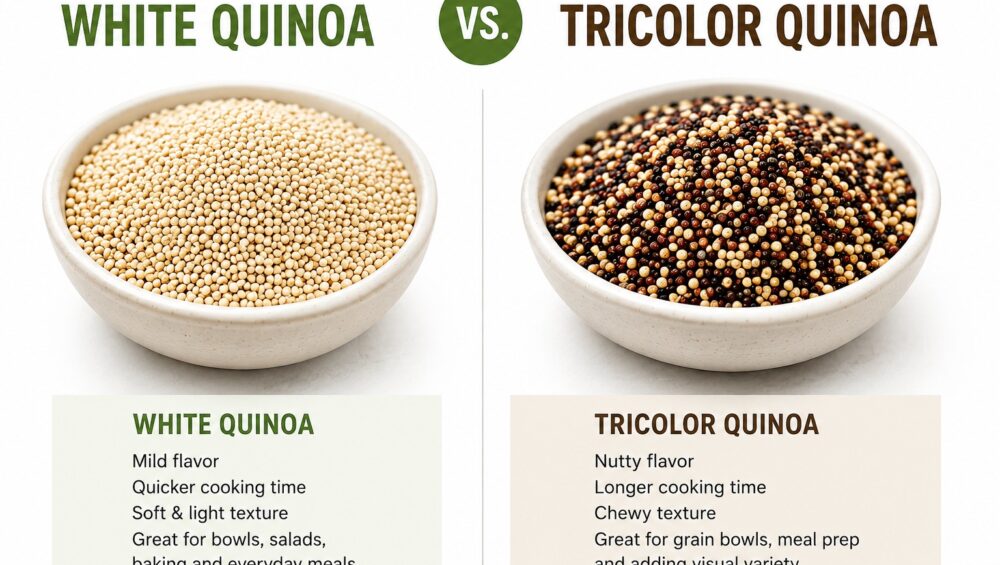
White vs. Tricolour Quinoa: Nutritional Differences &The Best Choice for Meal Prep


For anyone committed to a clean-label, nutrient-dense diet, standard white rice and heavily
processed grains have long been replaced by superfoods. At the top of that list sits quinoa.
As a complete plant-based protein containing all nine essential amino acids, it has become
an absolute staple in wellness pantries worldwide.
But walk down the health food aisle or browse online, and you’re immediately faced with a
choice: Do you buy standard white quinoa, or do you opt for the vibrant, multi-colored
tricolour blend?
Many commodity food brands and high-volume wholesalers treat these varieties as purely
aesthetic choices—a way to make your dinner plate look a bit more colorful. However, when
it comes to functional nutrition and culinary texture, the differences between these grains
run much deeper than skin deep. Let’s break down the distinct structural profiles of white
versus tricolour quinoa so you can make the absolute best choice for your personal health
goals and weekly meal prep routine.

The Seed Structure: Why Color Equals Cellular Protection
To understand the difference between these varieties, we have to look at the outer layer of
the seed, known as the bran.
White quinoa has had its outer hull slightly more polished, which removes the intensely
earthy notes and results in a lighter, faster-cooking grain. Red and black quinoa seeds, which
make up the bulk of a premium tricolour blend, retain their dark, robust outer hulls entirely.
In nature, those dark pigments are a visual indicator of powerful plant compounds called
anthocyanins and flavonoids. These are the exact same class of cell-protecting antioxidants
found in dark berries and wild rice. When you choose a high-quality tricolour blend, you are
Article 1 (Publish Tuesday Morning): Focuses on the nutritional differences, targeting
consumers researching the health values of different quinoa types.
Article 2 (Publish Thursday Morning): Focuses on practical meal prep efficiency,
directly driving conversions toward your large 700g and 1.3kg value packs.

integrating a much broader spectrum of polyphenol antioxidants into your diet, helping your
body combat systemic oxidative stress and inflammation at a cellular level.
Macronutrient Breakdown: Sizing Up the Stats
When evaluating is white or tricolor quinoa healthier , a look at the macro profile
reveals why both versions easily outperform traditional starches, though tricolour edges
ahead for specific wellness goals:

Textural Profiles: Matching the Grain to Your Dish
Beyond the pure laboratory science, how these grains behave in your kitchen should dictate
your buying choices:


White Quinoa: The Ultimate Smooth Comfort Food
Because it lack the tough outer seed coat, white quinoa cooks down into a beautifully light,
neutral, and pillowy texture. It acts like a sponge for flavors, absorbing broths, dressings, and
spices effortlessly. If you have sensitive digestion, or if you are looking to seamlessly
transition your family away from white rice without triggering complaints about a “heavy”
texture, pure white quinoa is your ideal entry point.


Tricolour Quinoa: The Earthy, Meal-Prep Champion
Tricolour quinoa refuses to turn mushy. The red and black seeds hold their distinct structural
shape even after being boiled and stored in the fridge for days. It delivers a satisfying,
distinctly nutty crunch and an earthy flavor profile. This structural resilience makes it the
absolute best high protein grains for meal prep structures, particularly for cold
Mediterranean salads, grain bowls, and side dishes that need to stand up to heavy dressings
without breaking down.


The Verdict: Which Belongs in Your Pantry?
If your priority is a light, crowd-pleasing side dish that perfectly mimics the fluffiness of rice,
pure white quinoa is a flawless, clean-label choice. But if you are a dedicated meal-prepper,
athlete, or functional-health enthusiast looking to maximize your daily fiber, iron, and
antioxidant intake, a premium tricolour blend is structurally superior.
Regardless of the color you choose the key to avoiding bitter flavors and optimizing
digestion lies in ensuring your superfoods are thoroughly pre-washed to remove saponin (a
natural, bitter plant coating) and sourced from trusted organic origins.


Protein Profile: Both white and tricolour quinoa are complete proteins. They deliver
roughly 6 to 7 grams of complete plant protein per cooked cup, loaded with lysine and
isoleucine to support lean muscle recovery.


Dietary Fiber: Because tricolour quinoa includes the intact hulls of red and black
seeds, it delivers a slightly higher fiber content per serving. This makes it an
exceptional tool for stabilizing blood sugar levels and promoting long-term satiety.
Micronutrients: The darker seeds within the tricolour blend carry naturally higher
concentrations of non-heme iron and magnesium, minerals essential for cellular
oxygen transport and nervous system function.

[ Explore Zestiva’s Organic Superfood Grain Collection — Sourced for Purity

CategoriesWellness

How to Use Ceylon Cinnamon for Natural Blood Sugar Management

Cassia cinnamon, you already know why switching to authentic Ceylon cinnamon is a non-
negotiable step for clean-label wellness. By moving away from cheap commodity spices, youcompletely protect your liver from the

toxic accumulation of coumarin.But avoiding hidden structural risks is only half the battle.

The true power of Cinnamomum
verum lies in what it actively gives back to your body.
When integrated correctly into your daily routine, true Ceylon cinnamon is one of nature’s
most potent, clinically backed tools for metabolic optimization, insulin sensitivity, and natural
blood sugar management. Let’s look at the actual cellular science behind how true cinnamon
regulates glucose, and lay out a practical checklist to maximize its absorption every single
day.

The presence of healthy dietary fats slows gastric emptying, allowing cinnamon’s
active polyphenors to steadily optimize insulin pathways throughout the day.


The Cellular Science: How True Cinnamon Mimics Insulin
Cinnamon doesn’t just mask blood sugar spikes; it fundamentally alters how your cells
interact with carbohydrates. When you consume carbohydrates, your body breaks them
down into glucose, releasing insulin to unlock your cells and let that glucose in for energy.
For individuals dealing with insulin resistance or pre-diabetes, those cellular locks become
rusted and unresponsive, leaving glucose trapping itself in the bloodstream.
Authentic Ceylon cinnamon contains a highly concentrated group of active organic
compounds called hydroxychalcone polymers.
At a cellular level, these polymers behave as natural insulin mimetics. They virtually “mimic”
the structure of insulin, binding directly to your cellular receptors and clearing out the
metabolic traffic jam. By smoothing out the insulin pathway, Ceylon cinnamon helps lowerfasting blood sugar levels, prevents drastic energy crashes after meals, and supports long-
term metabolic health.

The Master Checklist: 4 Rules to Maximize Glucose Control
To unlock the full therapeutic properties of Ceylon cinnamon, it isn’t enough to just throw a
random dash onto a plate. You need to optimize how your body absorbs its key compounds.
Follow this simple delivery checklist:

1. The Sweet-Spot Dosage (Consistency Over Quantity)
Clinical studies evaluating the role of difference between ceylon and cassia cinnamon for
diabetes management show that massive doses are completely unnecessary. The optimal
therapeutic range is 1 to 2 grams per day—roughly 1/4 to 1 full teaspoon. Because Ceylon
has virtually non-existent coumarin levels, you can safely sustain this exact daily dosage for
years without placing structural pressure on your liver.

2.Pair it with Healthy Dietary Fats
Cinnamon’s active fat-soluble antioxidants absorb significantly better when consumed
alongside healthy lipids. Instead of dissolving your spice into plain water, blend it into a
morning coffee with a splash of unsweetened almond milk, stir it into a bowl of Greek
yogurt, or mix it into a thick superfood chia seed pudding.

3.Time It to Blunt Your Post-Meal Spikes
If you know you are consuming a carbohydrate-heavy meal (like an overnight bowl of oats or
a whole-grain breakfast), ensure your Ceylon cinnamon is integrated into that specific meal.
The active compounds work proactively, helping your body process the incoming glucose
load smoothly rather than forcing your pancreas to work overtime to correct a sudden blood
sugar spike.

4. Never Bake it to Death
While Ceylon cinnamon performs brilliantly in warm dishes, extreme, prolonged industrial
heat can slowly degrade its delicate volatile oils and antioxidant matrix. For maximummetabolic impact, stir your raw cinnamon powder into your warm porridge, coffee, or post-workout smoothies after the primary heating process is finished.

Simple Daily Wellness Rituals to Try Tomorrow
Integrating Zestiva Organic Ceylon Cinnamon into your lifestyle takes less than sixty
seconds. Here are three effortless ways to make it an automatic habit:

Secure Your Daily Metabolic Support
Functional health isn’t built on drastic, short-term overhauls—it is built on clean,
uninterrupted daily rituals. By upgrading to a pure, premium source of true spice, you
guarantee that your blood sugar management strategy remains completely safe, natural,
and liver-friendly.
Zestiva Certified Organic Ceylon Cinnamon Powder delivers the absolute highest standard
of clean-label purity. Sourced directly from certified organic farms, our fine-ground powder
preserves 100% of the active metabolic compounds while keeping coumarin content
virtually non-existent.

[ Shop Zestiva Organic Ceylon Cinnamon — Fuel Your Metabolic Health
Naturally ]

CategoriesWellness

The Cinnamon Lie: Is Your Daily Kitchen Spice Toxic to Your Liver?

Every morning, millions of health-conscious individuals start their day with a familiar,
comforting ritual. They brew a fresh cup of coffee, prepare a warm bowl of oatmeal, or blend
a nutrient-dense green smoothie—and then they add a generous, health-boosting spoonful
of cinnamon. It seems like the perfect wellness choice. After all, wellness blogs and
nutritional science consistently praise this ancient spice for its remarkable metabolic
benefits and natural ability to support insulin sensitivity.
But behind the warm aroma hides a structural industry secret that most commercial food
brands rarely disclose: 90% of the cinnamon sitting on supermarket shelves isn’t true
cinnamon at all. Instead, it is a high-volume commodity known as Cassia cinnamon.

While it looks and smells like the spice you expect, Cassia contains remarkably high concentrations of coumarin—a
naturally occurring plant chemical linked to severe internal stress. If you are using this
common grocery store staple daily to manage your health, you might accidentally be
working against your own body.

For anyone utilizing spices for functional health, understanding the clear boundary between
dietary optimization and unintended toxicity is vital. If you have ever wondered, is daily
cassia cinnamon toxic to liver health?, the clinical truth comes down to a simple matter of
dosage, plant variety, and clean-label sourcing. Let’s break down the hidden science of
coumarin, look at the stark structural differences between Cassia and Ceylon, and explore
how you can safely protect your body without sacrificing the morning flavors you love.
Understanding Coumarin: The Compound Behind the Risk
To understand why your choice of spice matters, we have to look closely at a chemical
compound called coumarin. In nature, coumarin acts as a natural phytotoxin—a chemical
defense mechanism produced by certain plants to ward off pests. In small, isolated
amounts, it is relatively harmless to humans. However, in concentrated or prolonged daily
doses, it behaves as a potent hepatotoxin, meaning it can cause structural irritation and
damage to liver cells.
Because of these properties, medical bodies worldwide closely monitor dietary coumarin
intake. The European Food Safety Authority (EFSA) has established a strict Tolerable Daily
Intake (TDI) of just 0.1 mg of coumarin per kilogram of body weight.

Let’s put that into perspective with simple math: for an average adult weighing 60kg (about
132 lbs), the safe daily limit is just 6 mg of coumarin. Because standard supermarket Cassia
cinnamon contains high concentrations of this compound, consuming just one single
teaspoon can easily push you past the safe scientific threshold.


Ceylon vs. Cassia: The Tale of Two Spices
Though they both share a warm, woody aroma, Ceylon and Cassia originate from entirely
different plant species, leading to massive differences in their chemical makeup, safety
profiles, and production costs.


What is Cassia Cinnamon? (The Supermarket Default)
Derived from the Cinnamomum cassia tree native to China and Indonesia, Cassia is cheap to
grow and harvest on a massive scale. If your store-bought spice simply says “Cinnamon” on
the front, it is almost certainly Cassia. Physically, it consists of a single, thick layer of tree
bark rolled into a tough quill that is incredibly hard to grind at home. Chemically, it is packed
with coumarin, containing roughly 2,000 to 5,000 mg of coumarin per kilogram.


What is Ceylon Cinnamon? (The “True” Spice)
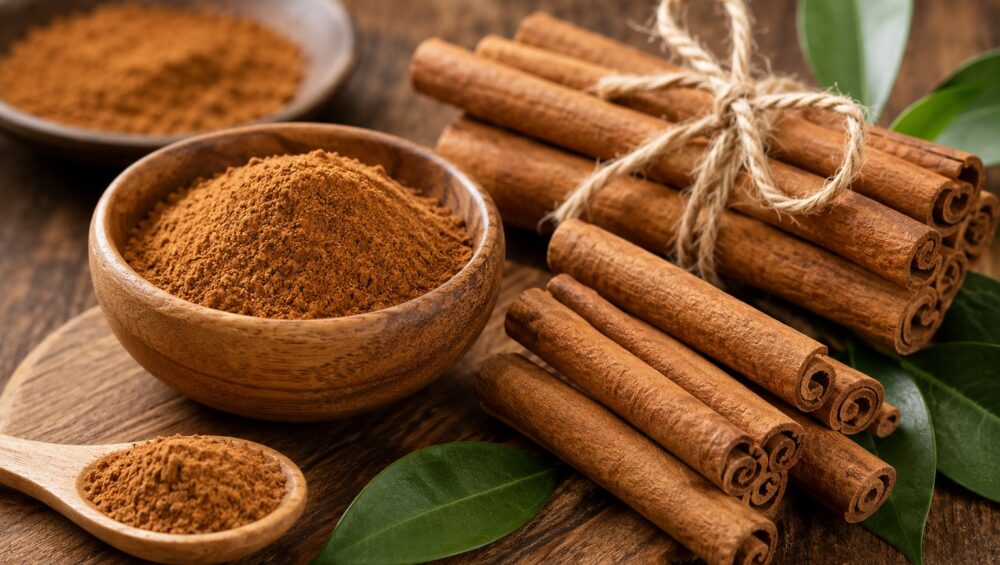
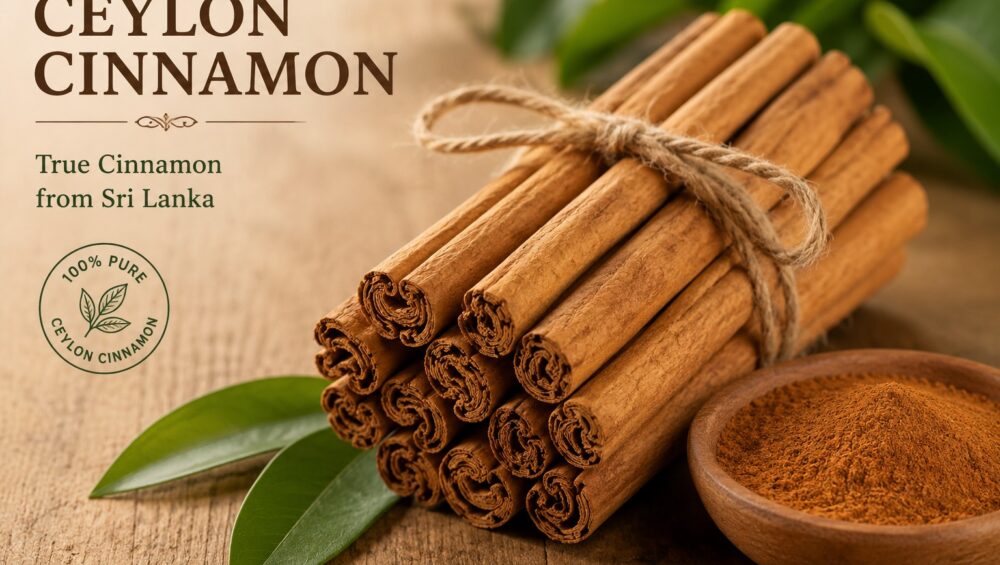
Sourced primarily from Sri Lanka, Cinnamomum verum is known globally as “True
Cinnamon.” Harvesting Ceylon is a highly skilled artisanal process. The inner bark is shaved
ultra-thin and layered meticulously by hand, forming a delicate, multi-layered quill that
resembles a tightly rolled cigar. Beyond its smooth, subtle, and naturally sweet flavor profile,
Ceylon’s true power lies in its safety: it contains less than 0.004% coumarin, making it
virtually undetectable and perfectly safe for daily wellness routines.
The Danger Profile: Is Daily Cassia Cinnamon Toxic to the Liver?
When you ingest Cassia cinnamon every single day, your liver is forced to process structural
amounts of coumarin continuously. Over time, this constant metabolic load can overexert
hepatic pathways. In clinical studies, prolonged exposure to high coumarin levels has been
shown to induce localized liver inflammation and significantly elevate liver enzymes (like ALT
and AST).The trickiest part about minor liver strain is that it rarely presents immediate, obvious
symptoms. You won’t necessarily feel a stomach ache or nausea. Instead, the stress builds
quietly beneath the surface. This hidden burden is why monitoring the clean-label purity of
what you consume every single morning is one of the most proactive steps you can take for
your long-term health.The Safe Way to Leverage Cinnamon for Blood Sugar Control
Here is the good news: you do not need to cut cinnamon out of your diet. In fact,when sourced properly,

true cinnamon is a phenomenal asset if you are looking for natural glucose management or support for diabetes.
High-quality cinnamon contains unique active polymers that act as natural insulin mimetics.
Clinical research shows that these compounds help activate cellular pathways, making your
cells significantly more sensitive to insulin and allowing glucose to move out of your
bloodstream more efficiently. By ensuring you utilize authentic Ceylon cinnamon, you fully
capture these proven metabolic benefits for blood sugar control without exposing your liver
to chemical strain.

⚠️ Are You Using the Right Spice? Don’t let a healthy habit turn into an unseen internal
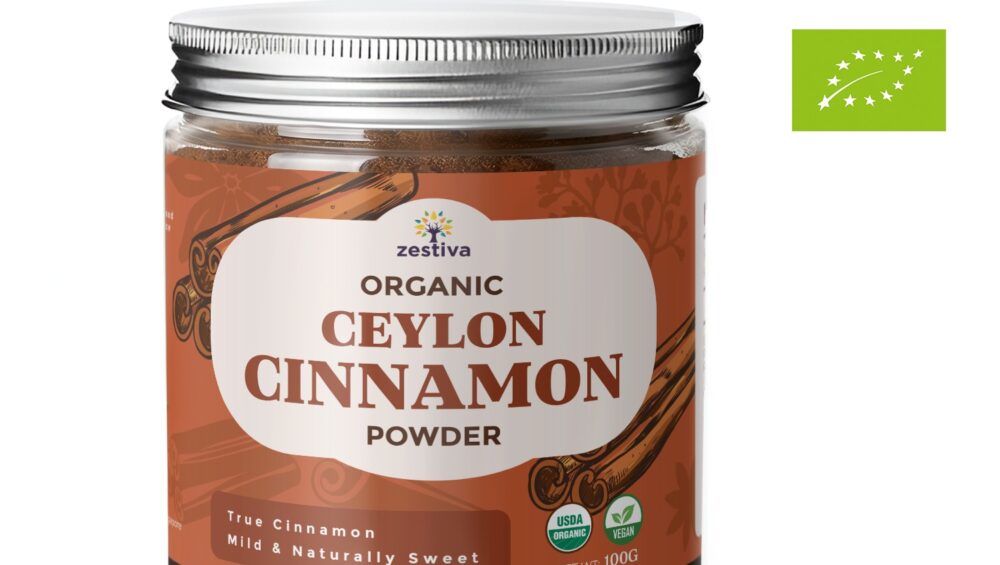
stressor. Zestiva’s Organic Ceylon Cinnamon Powder is 100% certified Cinnamomum
verum, sourced directly for absolute purity, and contains virtually non-existent levels of
coumarin.
👉 [Upgrade to Safe, Clean-Label Ceylon Cinnamon Now]
How to Spot the Counterfeits: A Consumer Checklist
Because low-grade Cassia powders dominate the retail and wholesale markets, it is easy to
accidentally buy the wrong product. Keep this simple checklist in mind next time you shop to
ensure you know where to get real Ceylon cinnamon:

Choosing Purity: Protecting Your Wellness Ritual
Protecting your body shouldn’t mean sacrificing the functional health habits or the warm
flavors you love. Cinnamon remains one of nature’s most potent tools for metabolic support
and blood sugar management. The key is ensuring your daily wellness habits don’t
inadvertently introduce unnecessary structural stress to your liver.
By making one simple upgrade in your pantry—switching from cheap, commodity Cassia to
authentic, clean-label Ceylon cinnamon—you eliminate the worry of coumarin accumulation
completely. You get 100% of the metabolic advantages with zero hidden compromises.
Upgrade Your Pantry to Safe, Certified Purity
Don’t let a daily health habit turn into an unseen internal burden. Zestiva Certified Organic
Ceylon Cinnamon Powder is authentic Cinnamomum verum, sourced directly from
sustainable organic farms and packed under strict quality controls.

Available in our kitchen-ready, resealable freshness pouches designed to lock in flavor and
protect nutrient integrity.


Select Your Size
Choose between our 250g daily wellness pack or our 500g value pack for frequent home bakers.
Pick the quantity that best matches your household consumption.
Check the Quill Structure: If buying whole sticks, look for a thick, dark, single curve
(Cassia) versus a light tan, multi-layered, delicate cigar roll (Ceylon).
Evaluate the Flavor Profile: Cassia hits the palate with a sharp, pungent, aggressive
heat. Genuine Ceylon is remarkably smooth, delicate, and carries subtle, sweet citrus undertones.
Audit the Labeling: Avoid generic packages simply labeled “Spice” or “Cinnamon,
especially if they list the origin as Indonesia, Vietnam, or China. Always look for explicit
certification text stating “100% Organic Ceylon Cinnamon” or the botanical name
“Cinnamomum verum”
.

Virtually Coumarin-Free: Laboratory-tested to ensure ultra-low, completely safe levels
(less than 0.004%), giving you complete peace of mind for daily use.
100% Certified Organic: Free from chemical pesticides, additives, or irradiation. Just
pure, single-ingredient spice.
Rich in Active Antioxidants: Naturally sweet and mild flavor profile, perfect for
effortlessly blending into your morning coffee, oatmeal, or baking.

2 Secure Your Purityhttps://zestivaorganic.com/product/zestiva-organic-ceylon-cinnamon-powder100g/
Add Zestiva Organic Ceylon Cinnamon to your cart.
Invest in clean-label, certified true spice that protects your health.
3 Enjoy Peace of Mind
Mix it daily into your coffee, oats, or smoothies with absolute confidence.
Experience the delicate, naturally sweet taste of authentic Ceylon without the liver
worries.

[ Shop Zestiva Certified Organic Ceylon Cinnamon — Secure Your Purity https://zestivaorganic.com/product/zestiva-organic-ceylon-cinnamon-powder100g/

CategoriesWellness

UMF vs MGO: What’s the Difference and How to Convert UMF to MGO?

UMF vs MGO: What’s the Difference and How to Convert UMF to MGO?

Meta Title: UMF to MGO Conversion Guide | What’s the Difference?
Meta Description: Confused about UMF and MGO in Manuka honey? Learn how UMF converts to MGO, what the numbers mean, and how to choose the right Manuka honey grade in Singapore.
Slug: umf-to-mgo-conversion-guide


🍯 What Do UMF and MGO Mean in Manuka Honey?

When shopping for Manuka honey, you’ll often see labels like:

  • UMF 5+
  • UMF 10+
  • UMF 15+
  • MGO 250+
  • MGO 400+
  • MGO 850+

Many consumers ask:

👉 Is UMF stronger than MGO?
👉 How do I convert UMF to MGO?
👉 Which one should I buy?

Let’s break it down clearly.


What Is UMF?

UMF Honey Association

UMF stands for Unique Manuka Factor.

It is a grading system developed in New Zealand that measures:

  • MGO (Methylglyoxal)
  • Leptosperin
  • DHA
  • Authenticity markers

UMF is a quality certification system, not just a strength indicator.

Example:

  • UMF 10+
  • UMF 15+
  • UMF 20+

The higher the number, the higher the antibacterial potency.


What Is MGO?

MGO stands for Methylglyoxal, the natural compound responsible for Manuka honey’s antibacterial activity.

Unlike UMF, MGO measures only one compound (the concentration of methylglyoxal in mg/kg).

Example:

  • MGO 250+
  • MGO 400+
  • MGO 850+

Higher MGO = stronger antibacterial potency.


🔄 UMF to MGO Conversion Table

Here is the general conversion reference:

UMF GradeApproximate MGO Equivalent
UMF 5+MGO 83+
UMF 10+MGO 263+
UMF 15+MGO 514+
UMF 20+MGO 829+
UMF 25+MGO 1200+

⚠ Important: This is an approximation.
UMF measures more than just MGO.


Which Is Better — UMF or MGO?

It’s not about which is better — it’s about what you’re looking for.

Choose UMF if you want:

✔ Full New Zealand certification
✔ Authenticity assurance
✔ Multi-factor quality grading

Choose MGO if you want:

✔ Clear antibacterial strength level
✔ Simple potency comparison
✔ Medical-grade targeting

Premium brands often show both UMF and MGO on the label.


How to Choose the Right Strength?

For Daily Wellness

  • UMF 5+ to UMF 10+
  • MGO 100+ to 300+

Good for:

  • General immunity
  • Daily energy
  • Family use

For Targeted Support

  • UMF 15+ and above
  • MGO 500+ and above

Often used for:

  • Sore throat
  • Gut health
  • Wound support (external use)

Why Is UMF More Expensive Than Regular Honey?

Because genuine Manuka honey:

  • Is harvested only in New Zealand
  • Comes from Manuka flowers (Leptospermum scoparium)
  • Is tested and certified
  • Has limited seasonal production

Authenticity matters — especially in Singapore where fake Manuka products exist.


How to Verify Authentic Manuka Honey?

Look for:

✔ UMF trademark license number
✔ MGO level displayed
✔ New Zealand origin
✔ Batch testing information

Trusted brands like Aoraki Peak Honey ensure strict sourcing and certification standards.


Final Thoughts: Understanding UMF to MGO Conversion

UMF and MGO are closely related but not identical.

  • UMF = certified grading system
  • MGO = measurable antibacterial compound
  • Higher number = stronger potency

When choosing Manuka honey in Singapore, focus on:

✔ Authenticity
✔ Intended use
✔ Trusted brand sourcing

CategoriesWellness

Why Organic Chia Seeds Are the Ultimate Superfood

Why Organic Chia Seeds Are the Ultimate Superfood for Singaporeans

In the fast-paced lifestyle of Singapore, finding simple ways to boost your health is essential. From the busy professionals in the CBD to fitness enthusiasts jogging at East Coast Park, everyone is looking for that extra edge in their nutrition. Enter the humble chia seed—a tiny powerhouse that has taken the health food world by storm.

If you are looking to elevate your diet without complicated meal prep, organic chia seeds are the answer. Here is everything you need to know about this ancient superfood and why Zestiva Organic is Singapore’s trusted source for the highest quality seeds.

What Exactly Are Chia Seeds?

Chia seeds come from the desert plant Salvia hispanica, a member of the mint family. Historically, they were a staple in the diets of the Aztecs and Mayans. In fact, “chia” is the ancient Mayan word for “strength.”

Despite their small size, these seeds are incredibly nutrient-dense. When soaked in liquid, they expand and form a gel-like texture, making them a versatile ingredient for everything from puddings to smoothies.

The Top Health Benefits of Chia Seeds

Why are Singaporeans adding chia seeds to their shopping carts? Here is the nutritional breakdown:

1. Loaded with Antioxidants Pollution and stress can take a toll on your body. Chia seeds are packed with antioxidants that fight the production of free radicals, which can damage cell molecules and contribute to aging and diseases like cancer.

2. High in Fiber Digestive health is a common concern in Singapore. A single ounce (28 grams) of chia seeds contains a whopping 11 grams of fiber. This helps keep you fuller for longer, aids in digestion, and helps regulate blood sugar levels—perfect for preventing that post-lunch slump.

3. Quality Protein Source For those following a plant-based diet or looking to reduce meat consumption, chia seeds are an excellent protein source. They contain a good balance of essential amino acids, making them superior to most plant foods.

4. High in Omega-3 Fatty Acids Chia seeds contain more Omega-3s gram for gram than salmon. These fatty acids are crucial for brain health and reducing inflammation in the body.

Why Choose Organic?

When shopping for superfoods, quality matters. Non-organic seeds may be treated with pesticides or grown in soil depleted of nutrients.

At Zestiva Organic, we believe that what you put in your body should be pure. Our organic chia seeds are:

  • Pesticide-Free: Grown without harmful chemicals.
  • Non-GMO: Pure, natural genetics just as nature intended.
  • Sustainably Sourced: Good for you and the planet.

How to Eat Chia Seeds in Singapore

The best thing about chia seeds is how easy they are to use. They have a mild, nutty flavor that works well in both sweet and savory dishes. Here are three quick ways to use them:

  • The “Overnight Oats” Breakfast: Mix rolled oats, milk (dairy or plant-based), and a tablespoon of Zestiva Organic chia seeds in a jar. Leave it in the fridge overnight. In the morning, top with fresh mango or berries for a quick, nutritious breakfast.
  • The Workout Smoothie: Add a scoop of seeds to your post-gym protein shake for added texture and fiber.
  • Chia Pudding: Mix seeds with coconut milk and a dash of honey or Gula Melaka. Let it sit for 20 minutes until it thickens into a delicious pudding.

Where to Buy the Best Chia Seeds in Singapore?

You don’t need to hunt through specialty stores to find premium superfoods. Zestiva Organic brings the highest quality organic chia seeds directly to your doorstep in Singapore. We are committed to providing affordable, high-quality organic products to help you live a zestier, healthier life.

Ready to boost your health? Discover the power of nature’s best superfood. [Shop Zestiva Organic Chia Seeds Today] and experience the difference pure nutrition makes.

CategoriesWellness

White vs Black vs Red Quinoa: What’s the Difference and Which One Is Best?

Black, red and white quinoa grains isolated on white background. Healthy food.

White vs Black vs Red Quinoa: What’s the Difference and Which One Is Best?

Quinoa has become a pantry essential for health-conscious consumers in Singapore. But when shopping, many people ask the same question:

What’s the difference between white, black, red, and tricolor quinoa?

While all quinoa varieties are nutritious, they differ in taste, texture, cooking behaviour, and best uses. This guide breaks it down simply so you can choose the right quinoa for your meals.

What Is Quinoa?

Quinoa is a naturally gluten-free seed often used like a grain. It’s valued for its plant protein, fibre, and minerals, making it popular in clean eating and plant-based diets.

The most common types are:

  • White quinoa
  • Red quinoa
  • Black quinoa
  • Tricolor quinoa (a mix of all three)

White Quinoa

Best for beginners & daily meals

White quinoa is the most commonly consumed variety and has the mildest taste.

Key characteristics:

  • Softest texture after cooking
  • Light, fluffy consistency
  • Mild, neutral flavour

Best uses:

  • Quinoa bowls
  • Porridge or breakfast quinoa
  • Baking and blending into meals

White quinoa is ideal if you’re new to quinoa or prefer a rice-like texture.

Red Quinoa

Best for salads & structured dishes

Red quinoa holds its shape better than white quinoa.

Key characteristics:

  • Slightly chewier texture
  • Nutty, richer flavour
  • Retains shape after cooking

Best uses:

  • Cold salads
  • Grain bowls
  • Meal prep dishes

Red quinoa is popular for dishes where texture and presentation matter.

Black Quinoa

Best for texture & visual contrast

Black quinoa has the strongest flavour and firmest texture.

Key characteristics:

  • Earthy, slightly sweet taste
  • Crunchier texture
  • Takes slightly longer to cook

Best uses:

  • Mixed grain salads
  • Side dishes
  • Dishes where colour contrast is desired

Black quinoa is often chosen for variety and visual appeal rather than softness.

Tricolor Quinoa

Best all-round option

Tricolor quinoa is a blend of white, red, and black quinoa.

Key characteristics:

  • Balanced texture (soft + chewy)
  • Mild but interesting flavour
  • Visually appealing

Best uses:

  • Everyday meals
  • Family cooking
  • Meal prep

Tricolor quinoa offers the benefits of all three types in one mix.

Nutritional Comparison (At a Glance)

TypeTextureFlavourBest For
White QuinoaSoft, fluffyMildDaily meals, beginners
Red QuinoaChewyNuttySalads, bowls
Black QuinoaFirmEarthyMixed grains, contrast
Tricolor QuinoaMixedBalancedAll-purpose use

💡 Nutritionally, all quinoa varieties are very similar. The main differences are texture and taste, not health value.

Which Quinoa Should You Choose?

  • Choose white quinoa if you want softness and versatility
  • Choose red quinoa if you prefer structure and chew
  • Choose black quinoa for stronger flavour and texture
  • Choose tricolor quinoa for an all-in-one option

Why Choose Organic Quinoa?

Organic quinoa is grown without synthetic pesticides or chemical fertilisers, making it suitable for long-term daily consumption and clean-label diets.

Final Thoughts

White, red, black, and tricolor quinoa all offer excellent nutrition. The best choice depends on how you cook and what texture you prefer, not which one is “healthier”.

Understanding these differences helps you enjoy quinoa more—and use it correctly in your meals.

Shop Zestiva Tricolor Quinoa

CategoriesWellness

Extra Virgin vs. Virgin Coconut Oil: Is There Actually a Difference?

Extra Virgin vs. Virgin Coconut Oil: Is There Actually a Difference?

By Zestiva Organic | January 2026

If you’ve ever stood in the oil aisle feeling confused by labels like “Extra Virgin,” “Cold-Pressed,” and “Centrifuged,” you aren’t alone. In the world of olive oil, “Extra Virgin” is a strict legal grade. But in the world of coconut oil, the rules are a bit different.

Today, we’re stripping away the marketing hype to explain what you’re actually buying and why the extraction method matters more than the “Extra” on the label.

The Big Secret: Extra Virgin vs. Virgin

Here is the industry truth: There is no official legal difference between “Virgin” and “Extra Virgin” coconut oil. Unlike olive oil, which has a governing council to grade acidity and taste, the term “Extra” in coconut oil is mostly used for marketing. Both terms generally mean the oil is unrefined, made from fresh coconuts (not dried copra), and processed without chemicals or bleach.

If you see “Extra Virgin,” it usually just means the brand is promising their highest quality—but the real quality is found in how the oil was pulled from the coconut.

The Showdown: Centrifuged vs. Cold-Pressed

This is where the real health benefits are decided. Even among virgin oils, the method of extraction changes the nutrient profile.

1. Cold-Pressed Coconut Oil (The Standard)

Cold-pressing involves using a mechanical press to squeeze the oil out of dried coconut flakes or fresh meat.

      • The Process: While called “cold,” the friction of the press can still generate some heat (up to 49°C or 120°F).

      • The Result: A great, healthy oil with a traditional coconut scent and flavor. It’s perfect for cooking and baking.

    2. Centrifuge Extracted Coconut Oil (The Premium Choice)

    Centrifuged oil is widely considered the purest form of coconut oil available in 2026.

        • The Process: Fresh coconut milk is placed in a high-speed machine that spins at thousands of rotations per minute. This force separates the oil from the water and proteins instantly, without any heat at all.

        • The Result: Because it’s never heated, it retains up to 4x more antioxidants and more Lauric Acid than cold-pressed oils. It has a much lighter, milder taste and a silkier texture.

      Comparison at a Glance

      FeatureCold-Pressed VirginCentrifuged Virgin
      Heat ExposureMinimal (Friction heat)Zero Heat
      Nutrient LevelHighHighest (Raw)
      FlavorStrong CoconutMild & Delicate
      TextureStandardUltra-Smooth/Light
      Best ForCooking & BakingRaw consumption, Smoothies, Skincare

      Which One Should You Choose?

          • For the Kitchen: If you love that rich coconut aroma in your stir-fries or cookies, Cold-Pressed Virgin Coconut Oil is a fantastic, cost-effective choice.

          • For Maximum Healing: If you are using oil for oil pulling, adding to morning coffee/smoothies, or as a luxury skin moisturizer, Centrifuged Coconut Oil is the winner. Its “raw” status means the enzymes and medium-chain triglycerides (MCTs) are completely intact.

        Why Zestiva Organic?

        At Zestiva, we don’t just put “Extra” on the label for show. Whether you choose our traditional Cold-Pressed or our Raw Centrifuged oil, you are getting organic, non-GMO, and ethically sourced products that prioritize your cellular health.

        [Shop our Raw Centrifuged Coconut Oil – The Purest Choice]

        [Shop our Cold-Pressed Virgin Coconut Oil – The Kitchen Essential]

        CategoriesWellness

        White Chia vs. Black Chia: Which Tiny Seed Reigns Supreme for Your Health?

        White Chia vs. Black Chia: Which Tiny Seed Reigns Supreme for Your Health?

        By Zestiva Organic | January 2026

        If you’re already a fan of chia seeds, you know these tiny powerhouses pack a mighty punch of nutrition. But as you browse the health food aisle, you might pause: white chia vs. black chia? Is there a difference, or is it just a matter of color?

        At Zestiva Organic, we get this question a lot! While both white and black chia seeds offer incredible health benefits, there are subtle differences in their nutrient profiles and, more importantly, how you might choose to use them. Let’s dive deep into the world of Salvia hispanica and discover which chia seed is right for you in 2026.

        The Origin Story: Are They Different Plants?

        First things first: no, white chia seeds and black chia seeds do NOT come from different plants. Both are derived from the same Salvia hispanica plant. The color difference is simply due to genetic variation within the species, much like different colored grapes come from the same vine.

        The key takeaway? Both are legitimate, high-quality chia seeds.

        Nutritional Showdown: White Chia vs. Black Chia

        Here’s where it gets interesting. While their overall nutritional composition is very similar, a closer look reveals some minor distinctions.

        Nutrient (per 1 oz / 28g)Black Chia Seeds (Approx.)White Chia Seeds (Approx.)
        Calories138138
        Fiber10g10g
        Protein4.7g4.7g
        Omega-3 ALA~5g~5g
        Calcium18% DV19% DV
        Phosphorus27% DV27% DV
        Magnesium23% DV23% DV
        Iron12% DV13% DV
        AntioxidantsHigher (due to darker pigment)Slightly Lower

        The Verdict: As you can see, the differences are minimal. White chia seeds might have a slightly higher calcium content, while black chia seeds edge them out slightly in antioxidants due to their darker pigment. However, these differences are not significant enough to declare one vastly superior to the other nutritionally.

        Beyond Nutrition: Practical Differences & Uses

        Since nutrition isn’t the primary differentiator, what is? Mostly, it comes down to aesthetics and personal preference.

        Black Chia Seeds: The Traditional Choice

            • Appearance: Dark, small, and often more visible in dishes.

            • Taste: Virtually tasteless, allowing them to blend seamlessly into any recipe.

            • Texture: Creates the signature “gel” when soaked.

            • Best For:
                  • Chia puddings and overnight oats: The darker seeds create a beautiful contrast.

                  • Smoothies: Their color disappears in darker smoothies.

                  • As an egg replacer: Great for baking dark-colored goods.

                  • General daily consumption: The most common and widely available type.

            White Chia Seeds: The “Invisible” Superfood

                • Appearance: Light, creamy white seeds that blend in more discreetly.

                • Taste: Also virtually tasteless.

                • Texture: Forms the same gel as black chia seeds.

                • Best For:
                      • Light-colored smoothies & juices: No dark specks!

                      • Yogurt parfaits: Maintains a clean aesthetic.

                      • Baking (especially light-colored goods): Muffin batters, bread, or cakes where you don’t want visible dark spots.

                      • Salad dressings: Thicken without changing the dressing’s appearance.

                      • As an egg replacer: Ideal for light-colored baked goods.

                Key Health Benefits of Both White and Black Chia Seeds

                Regardless of color, both white and black chia seeds are nutritional powerhouses for 2026 and beyond. Here’s what you can expect from incorporating them into your diet:

                    1. Rich in Omega-3 Fatty Acids (ALA): Essential for brain health, reducing inflammation, and supporting heart health.

                    1. Excellent Source of Fiber: Promotes digestive regularity, helps stabilize blood sugar, and supports satiety for weight management.

                    1. Packed with Protein: A great plant-based protein source, particularly beneficial for vegans and vegetarians.

                    1. Bone Health Minerals: High in calcium, magnesium, and phosphorus, crucial for strong bones.

                    1. Antioxidant Power: Helps combat free radicals and protect your cells from damage.

                  How to Choose the Right Chia Seed for You

                  The truth? You can’t go wrong with either! The choice between white chia and black chia largely comes down to what you’re making and your aesthetic preference.

                      • If you’re making a dark berry smoothie or a chocolate chia pudding, black chia seeds are perfect.

                      • If you’re whipping up a vanilla yogurt parfait or adding to a light-colored bread, white chia seeds will blend in beautifully.

                    At Zestiva Organic, we believe in providing you with the highest quality, organic chia seeds, regardless of color. We ensure both our white and black chia seeds are sustainably sourced and packed with all the incredible nutrients you expect.

                    Ready to boost your nutrition with these tiny wonders?

                    [Shop Zestiva Organic Black Chia Seeds Here!]

                    CategoriesWellness

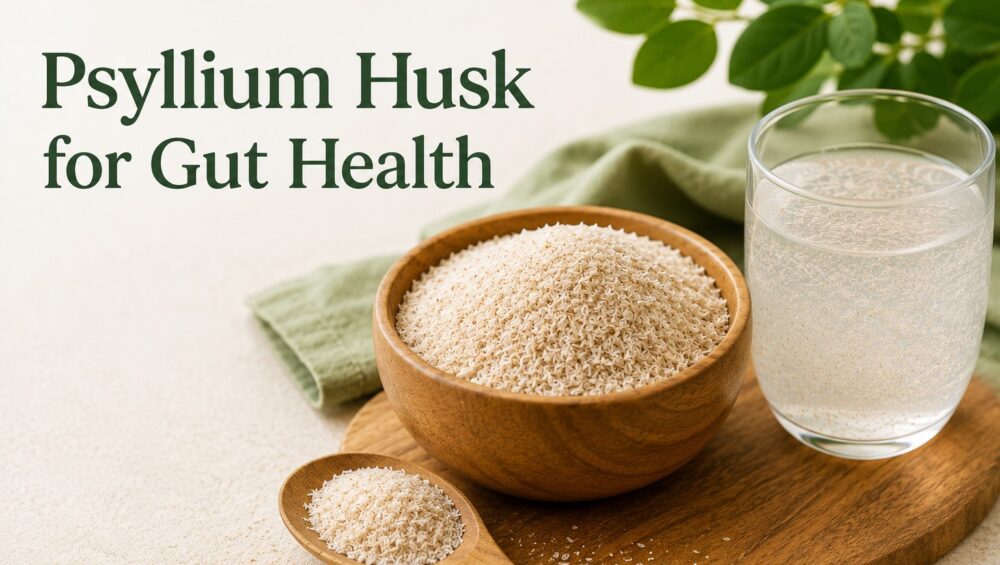
                    The Ultimate Guide to Psyllium Husk: Benefits, Weight Loss, and Gut Health

                    Are you struggling with digestive discomfort, or looking for a natural way to support your weight loss goals? Meet Psyllium Husk—the plant-based “super-fiber” that is taking the wellness world by storm in 2026.

                    Often referred to as a “natural gut reset,” psyllium husk is much more than just a simple fiber supplement. In this guide, we’ll explore the science-backed benefits of psyllium husk and how you can use it to transform your health.


                    What is Psyllium Husk?

                    Psyllium husk is a form of soluble fiber derived from the seeds of the Plantago ovata plant, native to India. When mixed with water, it transforms into a thick, gel-like substance. This unique “mucilage” is what makes it so effective at sweeping toxins out of your digestive tract and keeping you regular.

                    Why It’s Better Than Other Fibers

                    Unlike insoluble fibers (like wheat bran) which can be harsh on sensitive stomachs, psyllium is a bulk-forming laxative. This means it absorbs water to make stools softer and easier to pass, providing relief for both constipation and mild diarrhea.


                    5 Science-Backed Benefits of Psyllium Husk

                    1. Digestive Health & Regularity

                    Psyllium is the gold standard for gut health. By soaking up water in your gut, it adds bulk to your stool and stimulates the natural contractions of your intestines.

                    • Best for: IBS relief, chronic constipation, and hemorrhoid prevention.

                    2. Natural Weight Management

                    Many people call psyllium husk “nature’s Ozempic” because of its ability to promote satiety (the feeling of fullness). Because the fiber expands in your stomach and slows down digestion, you feel full for longer, which naturally reduces calorie intake.

                    3. Lowers “Bad” Cholesterol (LDL)

                    The FDA has recognized that soluble fiber from psyllium husk can reduce the risk of heart disease. It acts like a sponge, trapping bile acids and cholesterol in the digestive system so they can be excreted rather than absorbed into the bloodstream.

                    4. Blood Sugar Regulation

                    For those managing Type 2 diabetes or insulin resistance, psyllium is a game-changer. Taking it with meals slows down the absorption of sugar, preventing the “glucose spikes” that lead to energy crashes and fat storage.

                    5. Prebiotic Power

                    Psyllium acts as a prebiotic, feeding the “good” bacteria (probiotics) in your microbiome. A healthy gut microbiome is linked to a stronger immune system and even improved mental clarity.


                    How to Take Psyllium Husk: The Right Way

                    If you want to see results without the bloating, follow these three rules:

                    1. Start Small: Begin with 1/2 teaspoon daily and gradually work your way up to 1-2 tablespoons.
                    2. Hydrate, Hydrate, Hydrate: Psyllium needs water to work. Drink at least 8oz (250ml) of water with your dose and stay hydrated throughout the day.
                    3. Timing Matters:
                      • For Weight Loss: Take it 30 minutes before a meal.
                      • For Digestion: Take it first thing in the morning or right before bed.

                    Pro Tip: Psyllium thickens quickly! Stir it into water, juice, or a smoothie and drink it immediately before it turns into a thick gel.


                    Frequently Asked Questions (FAQs)

                    Is Psyllium Husk Gluten-Free? Yes! Psyllium is naturally gluten-free and is a popular ingredient in keto and gluten-free baking to provide a “bready” texture.

                    Can I take it every day? For most people, a daily dose of 5-10g is perfectly safe and highly beneficial for long-term heart and gut health.

                    Does it have side effects? If you don’t drink enough water, it can cause cramping or gas. Always ensure you are drinking plenty of fluids.


                    Ready to Reset Your Gut?

                    Psyllium husk is one of the most affordable and effective supplements you can add to your routine. Whether you’re looking to shed a few pounds or finally fix your digestion, this ancient fiber is the modern solution you’ve been looking for.

                    Shop our Premium Organic Psyllium Husk Powder here!]